
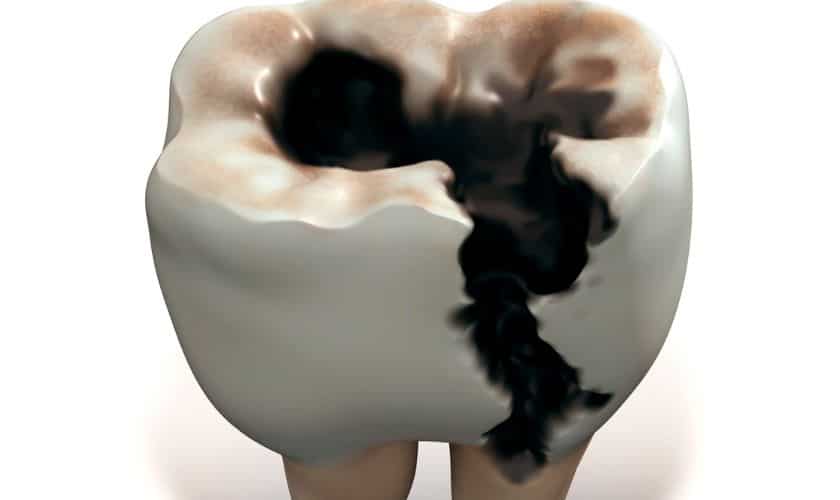
Tooth decay is a common dental issue that affects people of all ages. It occurs when plaque, a sticky film of bacteria, builds up on teeth and produces acids that eat away at the enamel, causing cavities. While prevention through good oral hygiene practices like brushing and flossing is crucial, sometimes decay can still occur. Fortunately, there are ways to reverse tooth decay and restore oral health. In this blog post, we’ll explore what you need to know about reversing tooth decay.
Understanding Tooth Decay
Before diving into reversal methods, it’s essential to understand how tooth decay develops. When we consume sugary or starchy foods, bacteria in the mouth feed on the carbohydrates and produce acids. These acids attack the enamel, the protective outer layer of the tooth, leading to decay over time. If left untreated, decay can progress deeper into the tooth, causing pain, infection, and even tooth loss.
Signs of Tooth Decay
Recognizing the signs of tooth decay early is crucial for prompt treatment. Common symptoms include toothache, sensitivity to hot or cold temperatures, visible holes or pits in the teeth, and dark spots or staining. If you experience any of these symptoms, it’s essential to consult a dentist promptly, especially if you’re searching for a reliable dentist in Edna.
Reversing Tooth Decay
While advanced decay may require interventions like fillings or root canals, early-stage decay can often be reversed through various methods:
- Fluoride Treatment: Fluoride is a mineral that helps strengthen enamel and reverse early signs of decay. Dentists may apply fluoride topically to the teeth or recommend fluoride toothpaste and mouthwash for at-home use.
- Dietary Changes: Limiting sugary and acidic foods and beverages can help prevent further decay and promote remineralization of enamel. Instead, opt for tooth-friendly snacks like fruits, vegetables, and dairy products.
- Improved Oral Hygiene: Brushing twice a day with fluoride toothpaste and flossing daily are essential habits for maintaining oral health. Proper oral hygiene removes plaque and bacteria, preventing decay and promoting enamel remineralization.
- Calcium and Vitamin D: These nutrients are essential for strong teeth and bones. Incorporating foods rich in calcium, such as dairy products, leafy greens, and almonds, along with getting adequate sunlight exposure for vitamin D synthesis, can support tooth remineralization.
- Antibacterial Mouthwash: Using an antibacterial mouthwash can help reduce the bacteria that contribute to tooth decay. Look for mouthwashes containing ingredients like chlorhexidine or cetylpyridinium chloride for optimal effectiveness.
- Regular Dental Checkups: Scheduling regular dental exams and cleanings with a trusted dentist in Edna is crucial for maintaining oral health. Dentists can detect early signs of decay, provide professional cleanings to remove plaque and tartar, and offer personalized advice for preventing and reversing tooth decay.
Preventing Future Decay
Once tooth decay has been reversed, it’s essential to take steps to prevent it from recurring. This includes:
- Continuing good oral hygiene habits, including brushing twice a day, flossing daily, and using fluoride toothpaste.
- Avoiding sugary and acidic foods and beverages, especially between meals.
- Drinking plenty of water to rinse away food particles and bacteria.
- Use dental sealants or fluoride treatments as recommended by your dentist to provide extra protection against decay.
Reversing tooth decay is possible, especially when caught early. By understanding the causes of decay, recognizing the signs, and implementing preventive measures, you can maintain a healthy smile for years to come. Remember to prioritize regular dental checkups with a qualified dentist in Edna to ensure optimal oral health and address any concerns promptly. With the right approach and professional guidance, you can effectively combat tooth decay and preserve your smile for a lifetime.