
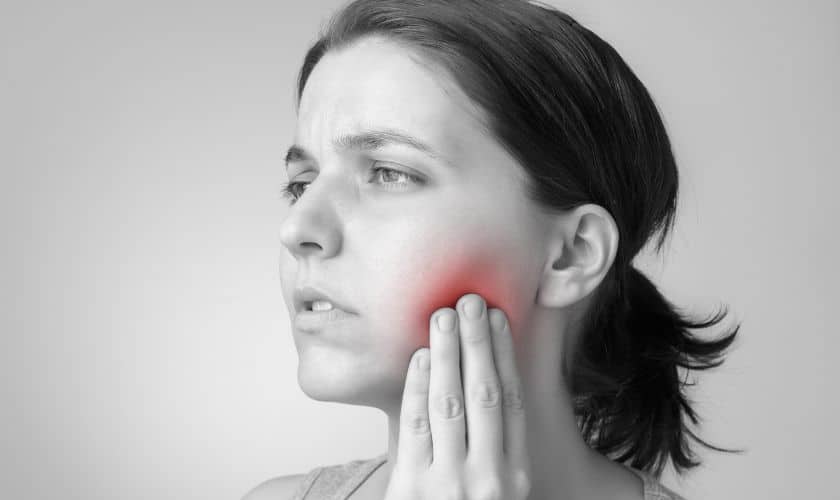
Dental emergencies can be both painful and frightening, requiring immediate attention to alleviate discomfort and prevent further complications. Knowing what constitutes a dental emergency and how to handle such situations is crucial for maintaining oral health. This guide will help you understand the different types of dental emergencies, how to manage them, and when to seek professional help, particularly if you need emergency dentistry.
Understanding Dental Emergencies
What Constitutes a Dental Emergency?
A dental emergency is any oral health problem that requires immediate attention to save a tooth, stop ongoing tissue bleeding, or alleviate severe pain. Common dental emergencies include:
- Toothaches: Severe pain that doesn’t subside with over-the-counter painkillers.
- Broken or Chipped Teeth: Fractures or cracks in the teeth due to trauma or accidents.
- Knocked-Out Tooth: Complete displacement of a tooth from its socket.
- Lost Fillings or Crowns: When a filling or crown falls out, leaving the tooth vulnerable.
- Abscesses: Infections around the root of a tooth or in the space between the gums and teeth.
- Soft Tissue Injuries: Cuts or wounds to the gums, tongue, or cheeks.
When to Seek Emergency Dentistry
Knowing when to seek emergency dentistry in Edna can save your tooth and prevent more severe complications. You should seek immediate dental care if you experience:
- Uncontrollable bleeding
- Severe pain
- Swelling in the face or mouth
- An avulsed (knocked-out) tooth
- Infection or abscess
Prompt attention from a dental professional can make a significant difference in the outcome of many dental emergencies.
Common Dental Emergencies and How to Handle Them
Toothaches
Toothaches can range from mild discomfort to excruciating pain. If you experience a toothache:
- Rinse your mouth with warm water.
- Floss gently to remove any trapped food particles.
- Apply a cold compress to the outside of your cheek to reduce swelling.
- Avoid aspirin directly on the gum as it can burn the tissue.
If the pain persists, seek emergency dentistry in Edna to diagnose and treat the underlying issue.
Broken or Chipped Teeth
If you break or chip a tooth:
- Rinse your mouth with warm water.
- Save any broken pieces of the tooth.
- Apply a cold compress to the outside of your face to minimize swelling.
- Use gauze to control any bleeding.
Visit a dentist as soon as possible to repair the damage and prevent infection.
Knocked-Out Tooth
A knocked-out tooth requires immediate action:
- Handle the tooth by the crown, not the root, to avoid damage.
- Rinse the tooth gently with water if it’s dirty, but do not scrub it.
- Try to reinsert the tooth into its socket if possible.
- Keep the tooth moist by placing it in milk or a tooth-preservation solution.
Seek emergency dentistry in Edna within 30 minutes for the best chance of saving the tooth.
Lost Fillings or Crowns
If you lose a filling or crown:
- Keep the area clean and avoid chewing on that side of your mouth.
- Use dental cement or sugarless gum to temporarily fill the gap.
- Bring the crown with you to the dentist if it has fallen out.
Visit your dentist promptly to repair or replace the filling or crown.
Abscesses
An abscess is a serious condition that can cause severe pain and swelling. If you suspect an abscess:
- Rinse your mouth with a mild saltwater solution several times a day.
- Avoid hot or cold foods that can exacerbate the pain.
- Use over-the-counter pain relievers to manage discomfort.
Contact emergency dentistry in Edna immediately, as abscesses can lead to serious infections if left untreated.
Soft Tissue Injuries
Injuries to the gums, tongue, or cheeks can be painful and prone to infection. For soft tissue injuries:
- Rinse your mouth with warm salt water.
- Apply pressure with gauze or a clean cloth to control bleeding.
- Use a cold compress on the outside of the mouth to reduce swelling.
Seek professional dental care if the bleeding doesn’t stop or if the wound is deep.
Preventing Dental Emergencies
While not all dental emergencies can be prevented, taking certain precautions can minimize your risk:
- Wear a mouthguard during sports activities.
- Avoid chewing hard objects like ice, popcorn kernels, and hard candies.
- Maintain good oral hygiene by brushing and flossing daily.
- Visit your dentist regularly for check-ups and cleanings.
Being proactive about your oral health can help you avoid many common dental emergencies.
Understanding what constitutes a dental emergency and knowing how to handle it can make a significant difference in the outcome. Whether dealing with a severe toothache, a broken tooth, or a knocked-out tooth, quick and appropriate action is essential. If you’re in Edna, having access to reliable emergency dental services can provide peace of mind and ensure you receive the care you need promptly.
Remember, not every dental issue requires immediate attention, but recognizing the signs of a true emergency and knowing when to seek emergency dentistry in Edna can protect your oral health and alleviate pain. Stay prepared, and don’t hesitate to reach out to a dental professional when in doubt.